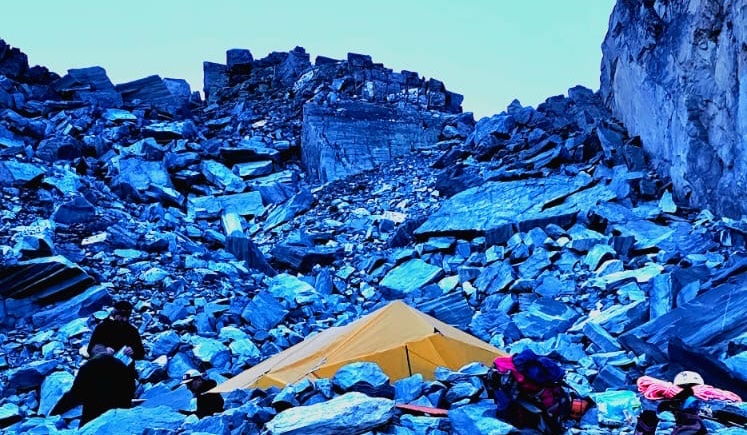
The Beginner's Complete Camping Gear Checklist (With Live Prices)
Everything you need for your first camping trip — tent, sleeping bag, pack, kitchen, and more. Real prices tracked across outdoor retailers.

How this guide was built
Prices shown are tracked in real time across 18+ outdoor retailers including US and Canadian stores. We monitor sale pages, clearance sections, and seasonal promotions automatically.
Gear lists are curated by our team based on current deals, not paid placements. We select items that offer genuine value — real discounts on quality gear from established brands. Prices update as retailers change them.
Seasonal patterns described in this guide are based on historical pricing data we've tracked across multiple clearance cycles.
Camping doesn't have to break the bank — but it does require knowing what you actually need before you start shopping. If you're new to camping, the sheer number of gear options can feel overwhelming. Do you need a four-season tent? How much should you spend on a sleeping bag? What's a "basecamp" cooler, and do you really need one?
The good news: you don't need to drop $2,000 to get a quality setup. A well-planned beginner camping kit can come together for $400–$1,200, depending on your comfort level and ambitions. And if you time your purchases right, even less.
The Essential Camping Gear Checklist
Shelter: Tent, Footprint, and Stakes
Your tent is your first investment. It's the single most important piece of gear because it protects you from the elements and determines how comfortable your trip is.
What to consider:
- 2-person vs 4-person: A 2-person tent is lighter and smaller, ideal for backpacking. A 4-person tent gives you room to sit up and store gear inside — better for car camping.
- 3-season vs 4-season: Most beginners need a 3-season tent (spring, summer, fall). Four-season tents are built for winter mountaineering and overkill for casual camping.
- Ventilation: Look for tents with mesh panels and good air circulation to reduce condensation.
You'll also need a ground cloth or footprint (the protective layer under your tent) and stakes. Budget $30–60 for these accessories.
Sleep System: Sleeping Bag, Pad, and Pillow
A good sleep system keeps you warm, comfortable, and prevents ground chill. Three parts: sleeping bag, sleeping pad, and a camping pillow (optional but worth it).
Sleeping bag temperature ratings:
- Ratings (e.g., 20°F, 0°F) show the coldest temperature the bag is rated for
- Most beginners should start with a 20–30°F bag for three-season camping
- Down is lighter and more compressible but loses insulation when wet
- Synthetic is heavier but retains warmth when damp — safer for beginners
Sleeping pads:
- Closed-cell foam ($20–40): Budget-friendly, durable, can't puncture
- Inflatable ($50–150): Lighter, more comfortable, but can pop
- Self-inflating ($60–100): Good middle ground
Pack: Backpack or Gear Hauler
For backpacking, you need a technical pack: 40–65L capacity, padded hip belt, ventilated back panel. Prices range $80–300.
For car camping, a simple duffel or gear bin works fine ($30–80). You're not wearing it, so weight doesn't matter as much.
Kitchen: Stove, Cookware, and Water
- Canister stove ($20–40): Lightweight, simple, great for beginners
- Pot and pan ($10–30): A small pot and lightweight skillet is enough
- Water filter ($20–50): A portable filter like LifeStraw or Sawyer lets you drink from streams safely
- Cooler ($30–80): For car camping — keeps food and drinks cold
Money-saving tip: Buy a basic canister stove, then meal-prep simple options: instant rice, pasta, canned beans, and dehydrated vegetables. You don't need specialized camping food to eat well.
Clothing: Layers, Boots, and Rain Gear
The key to staying comfortable outdoors is layering. Avoid cotton — it stays damp and causes heat loss.
- Base layer: Merino wool or synthetic ($30–60) — wicks moisture, dries quickly
- Insulation layer: Fleece ($40–80) or down jacket ($70–150)
- Rain shell: Lightweight, breathable rain jacket ($50–120)
- Hiking boots: Well-fitting, broken-in boots ($60–150) — don't cheap out here
Check your closet first. You probably already own quick-dry pants, a warm sweater, and a rain jacket that will work fine for your first trip.
Navigation and Safety
- Headlamp with extra batteries ($15–50) — essential once the sun sets
- First-aid kit ($20–40) — pre-made or DIY
- Map and compass ($10–20) — never need batteries
- Fire starter ($5–15) — waterproof matches, lighter, or fire starter kit
- Knife or multitool ($15–60)
These don't need to be fancy. The best navigation tool is knowing your route beforehand and leaving a trip plan with someone at home.
A Starter Kit Under $500
You don't need to buy everything at once. Start with the Big 3 — tent, sleeping bag, and pack — and build from there. Here's what that looks like at current prices:
Camping Starter Kit (US)
5 items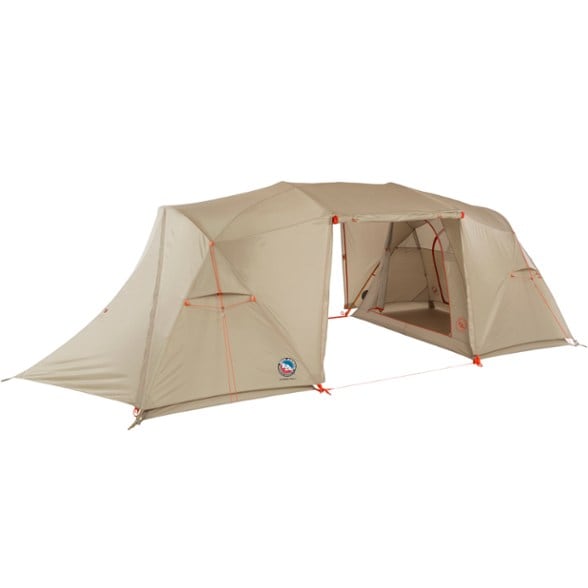
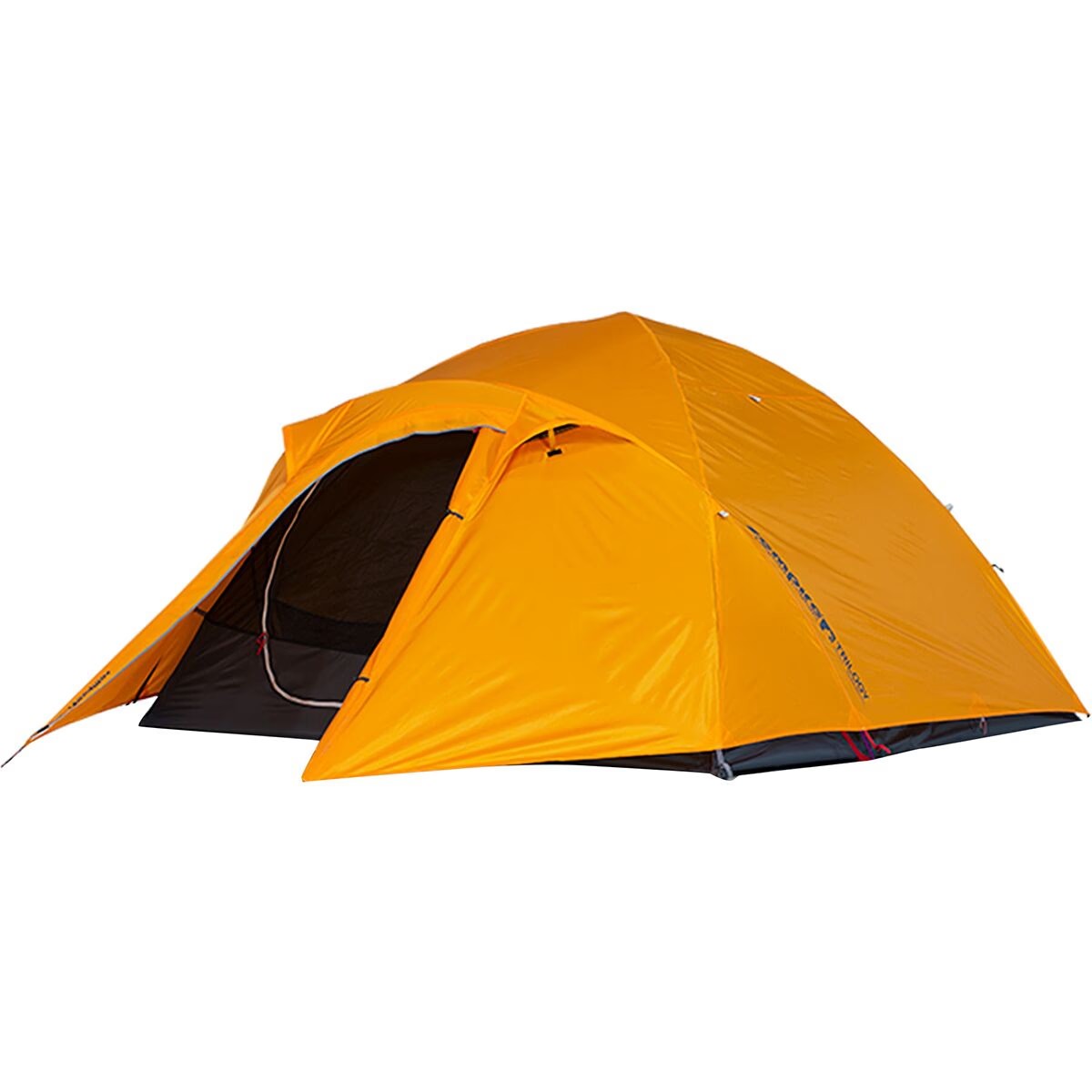
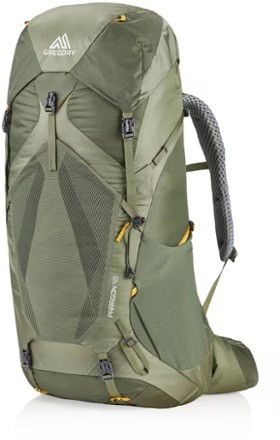
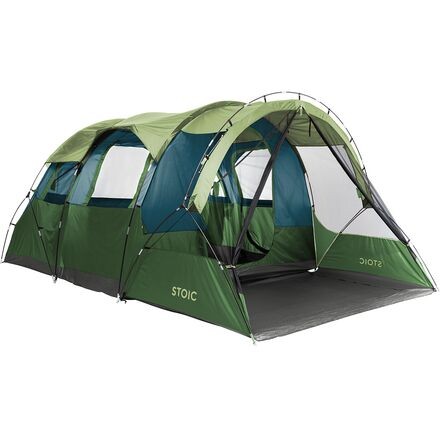
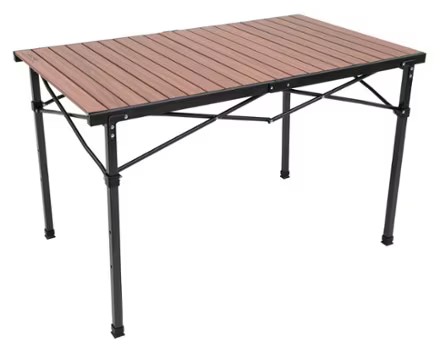
Add a stove, cookware, and water filter over your next few trips. By spacing out purchases, you catch more sales and spread the cost.
How Much Does a Complete Setup Cost?
Complete Camping Setup Cost
Three tiers depending on how serious you want to get
| Category | Budget | Mid-Range | Premium |
|---|---|---|---|
| Tent & Footprint | $80–150 | $250–500 | $600–1,200 |
| Sleep System | $60–100 | $200–350 | $400–800 |
| Backpack | $40–70 | $120–200 | $250–400 |
| Kitchen & Cookware | $30–50 | $80–150 | $150–300 |
| Clothing | $0–80 | $100–250 | $250–500 |
| Safety & Navigation | $30–50 | $60–100 | $100–200 |
| Total | $240–500 | $810–1,550 | $1,750–3,400 |
Budget ($240–500): Entry-level gear suitable for summer car camping. Functional, no frills. This is where sale-hunting makes the biggest difference.
Mid-range ($810–1,550): Quality gear with better durability and comfort. Where most regular campers land.
Premium ($1,750+): High-end brands and cutting-edge design. Worth it if you're backpacking or doing extended trips.
The Smart Way to Build Your Setup
1. Start with the Big 3. Tent, sleeping bag, pack. Everything else can wait.
2. Build over 2–3 months. Space out purchases to catch different sales.
3. Track prices, don't browse randomly. Set target prices on specific items and get notified when they drop. Missing a 30% sale is expensive over time.
4. Watch seasonal clearance. End-of-summer (August–September) and end-of-fall (October–November) are prime times for camping gear deals. Spring clearance catches winter overstock too.
5. Don't over-buy. Your first few trips will teach you what you actually use. Buy the essentials, go camping, then decide what's worth upgrading.
The gear you buy today is the foundation for years of trips. Start smart, track prices, and don't overpay. Your future self — and your wallet — will thank you.
Prices and availability change constantly. Track the gear you want and we'll let you know when it's time to buy.
Found something on your list? Track the price.
We'll email you when it goes on sale — no account required.
Track a price on any product
Explore More Guides
Shop Related Deals
Get notified about new guides
We publish gear guides, deal calendars, and buying strategies. Get them in your inbox — no spam, unsubscribe anytime.